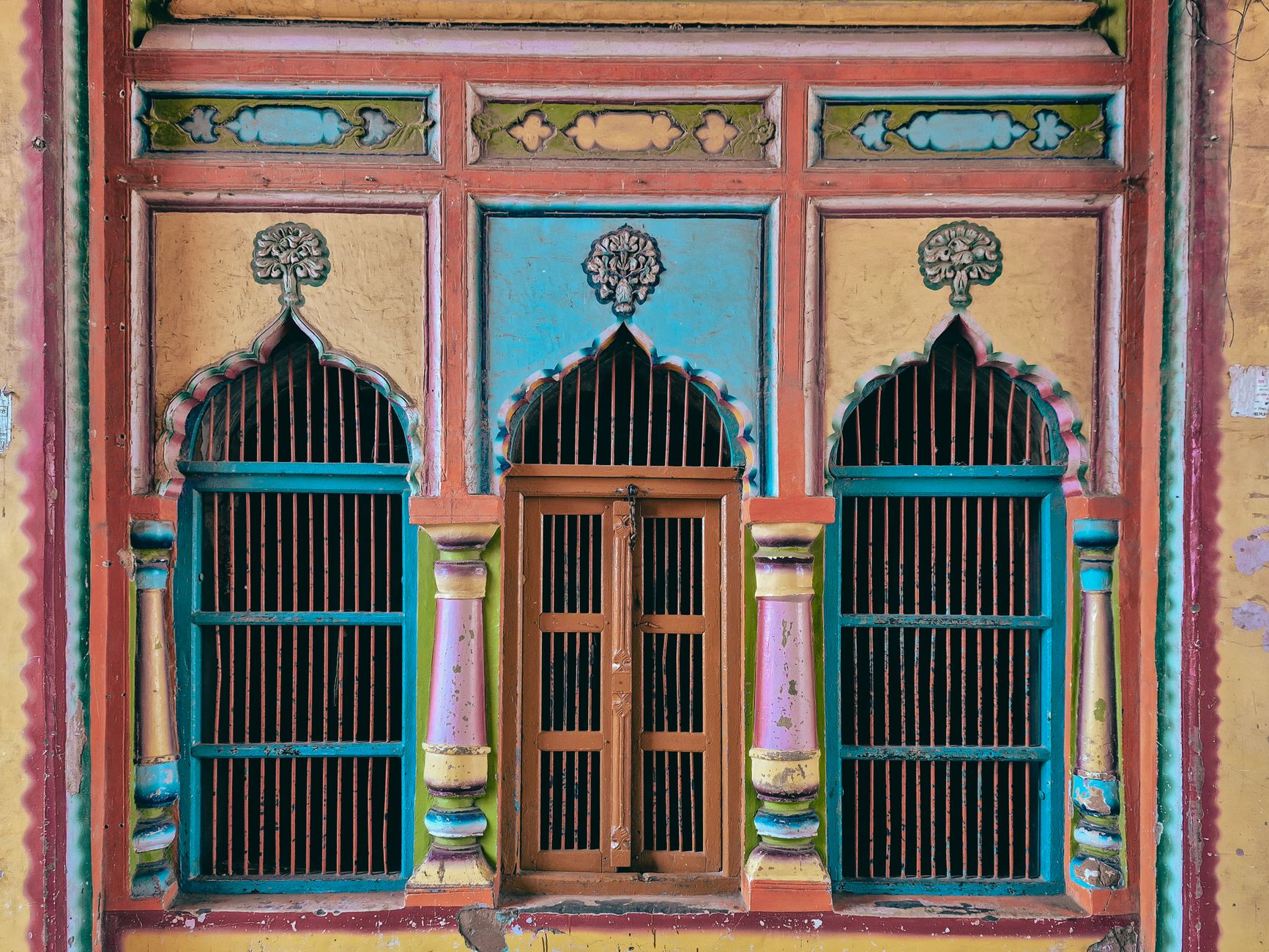
Ayodhya is India's most talked-about pilgrimage town right now, rebuilt almost overnight around the new Ram Janmabhoomi temple on the banks of the Sarayu river. It's a compact, deeply religious town rather than a scenic getaway — dusty lanes, temple bells, marigold garlands, and a constant hum of chanting that gets louder every festival season.
Getting There
Ayodhya now has its own airport, Maharishi Valmiki International Airport (also called Ayodhya Dham Airport), with direct flights from Delhi and a handful of other cities, so flying in has become straightforward. By train, Ayodhya Dham Junction has been rebuilt into a grand modern station with good connectivity from Delhi, Lucknow, Varanasi, Mumbai and beyond; Ayodhya Cantt is a smaller secondary station nearby. If you're coming by road, Lucknow is about 130 km away (roughly 2.5-3 hours by car or bus) and makes a natural gateway if you're flying into a bigger hub first.
Ram Janmabhoomi Temple and the Main Sights
The Ram Mandir is the reason most people come, and it draws enormous crowds every single day, not just on festivals. Expect queues, airport-style security checks, and a strict no-phone, no-bag, no-leather-belt policy — pay lockers are available outside, and travelling light makes the visit far smoother. Construction work on the wider temple complex is still ongoing in phases, so some areas may be fenced off; check current status before you go.
Sarayu River and the Ghats
Ram ki Paidi, the terraced ghat complex on the Sarayu, is where Ayodhya comes alive in the evening — an aarti ceremony with lamps and chanting draws large crowds, especially around sunset. Boat rides on the Sarayu are available and are a good, calmer way to see the ghats and the riverside skyline of temples without fighting foot traffic. The river swells and the ghats can flood during the monsoon months, so boating and ghat access are weather-dependent between July and September.
Food in Ayodhya
Ayodhya is strictly satvik in its food culture — almost everything is pure vegetarian, and a large share of eateries skip onion and garlic entirely in deference to religious dietary norms. Street food centres on kachori-sabzi, chaat, and thandai, while the local peda (a soft milk sweet) is the classic thing to carry home. Don't expect much by way of multi-cuisine restaurants or nightlife-adjacent dining; this is a town of simple thalis, dhaba-style meals, and roadside sweet shops rather than fine dining.
Budget and Where to Stay
Ayodhya is inexpensive by Indian travel standards. Budget dharamshalas and simple guesthouses run from around ₹600-1,500 a night, while new mid-range hotels built around the temple boom cost roughly ₹2,500-5,000. Meals are cheap — a full thali costs ₹100-250 — so a comfortable day's budget excluding hotel can be done in ₹600-1,000. Prices spike sharply around Ram Navami and Diwali/Deepotsav, so book well ahead if you're travelling during those weeks.
Getting Around
The core pilgrim circuit — Ram Mandir, Hanuman Garhi, Kanak Bhawan, Ram ki Paidi — is walkable if you don't mind heat and crowds, but e-rickshaws and cycle rickshaws are cheap, plentiful, and the default way most visitors cover the short distances between sites. Battery-operated shuttle vehicles also ferry pilgrims along some stretches near the temple complex. Private cars can't go everywhere due to security restrictions close to Ram Mandir, so be ready to walk the last stretch regardless of how you arrive.
Practical Tips and Safety
Dress modestly — this is a temple town, and shoulders/knees should be covered, especially for women. Crowd density is the real safety concern rather than crime: during Ram Navami (March/April) and Deepotsav (around Diwali), footfall can run into lakhs over a few days, and queues, barricading, and crowd-crush risk are genuine issues, so stick with your group and avoid peak evening hours if you're anxious about crowds. Outside festival peaks, Ayodhya is calm and safe for solo travellers and families alike, including women, though it's a conservative town with little in the way of evening entertainment beyond the aarti.
Best time to visit
October to March is the best window, with cool, comfortable weather for temple visits and festival energy around Diwali (Deepotsav) and the winter months. April's Ram Navami brings huge crowds and rising heat, while May and June are punishingly hot. The monsoon (July-September) cools things down but can flood the ghats and make boat rides unreliable — fine for a quieter, low-crowd visit if you don't mind humidity.
Timings & entry fees
| Place | Open | Entry |
|---|---|---|
| Ram Janmabhoomi Temple (Ram Mandir)No phones, bags or electronics allowed; lockers available outside. Confirm timings as the complex is still being completed in phases. | 6:00 AM - 9:30 PM | Free |
| Hanuman GarhiSteep climb of steps to the shrine; busy from early morning | 5:00 AM - 10:00 PM | Free |
| Kanak BhawanClosed midday for rituals | 8:00 AM - 11:00 AM, 4:00 PM - 8:30 PM | Free |
| Nageshwarnath TempleNear the ghats, less crowded than the main temple | 5:00 AM - 10:00 PM | Free |
| Ram ki Paidi (Sarayu Ghats)Evening aarti draws the biggest crowds; boat rides charged separately | Sunrise to sunset | Free |
Timings and fees change — confirm before you travel, especially on festival days and public holidays.
Distances & travel times
- Maharishi Valmiki International Airport (Ayodhya) Ram Janmabhoomi Templeabout 15 km· about 30 min
- Ayodhya Dham Junction Railway Station Ram Janmabhoomi Templeabout 2 km· about 10 min
- Ram Janmabhoomi Temple Hanuman Garhiabout 1 km· about 15 min on foot
- Ram Janmabhoomi Temple Ram ki Paidiabout 2 km· about 10 min
- Lucknow Ayodhyaabout 130 km· about 2.5-3 hours
- Varanasi Ayodhyaabout 200 km· about 4-4.5 hours
- Prayagraj Ayodhyaabout 165 km· about 3.5 hours
- Gorakhpur Ayodhyaabout 135 km· about 3 hours
Frequently asked
- Is Ayodhya worth visiting?
- Yes, if you're interested in India's religious and cultural life or simply want to see one of the most significant temples built in recent Indian history — the atmosphere around Ram Mandir and the Sarayu ghats is genuinely striking. It's not worth a special trip if you're after scenic beauty, heritage architecture beyond temples, or a relaxed holiday vibe — go to Varanasi or Lucknow instead if that's what you want, and treat Ayodhya as a focused one-to-two-day pilgrimage stop.
- Is Ayodhya safe?
- Day to day, Ayodhya is safe, including for solo travellers and women, with heavy security presence around the main temple. The real risk is crowd crush during peak festival days (Ram Navami, Deepotsav) when queues and barricaded lanes get extremely congested — avoid the busiest evening hours then, and keep valuables minimal since phones and bags aren't allowed near the temple anyway.
- What is the worst time to visit Ayodhya?
- May and June are brutally hot, often crossing 42°C, and uncomfortable for walking the temple circuit. The monsoon months of July to September bring high humidity and can flood the Sarayu ghats, disrupting boat rides and riverside access. If you dislike crowds, also be cautious around Ram Navami in March/April, when the town gets packed well beyond its everyday capacity.
- When is Ayodhya least crowded?
- Weekday visits during the monsoon (July-August) or in the early winter lull just after Deepotsav but before the Ram Navami rush tend to be the quietest, though you'll trade comfort for lower crowds in the monsoon due to heat and humidity. Early morning darshan, before 8 AM, is consistently calmer than afternoon or evening visits on any day of the year.
- How many days do you need in Ayodhya?
- One full day covers the essentials — Ram Mandir, Hanuman Garhi, and the evening aarti at Ram ki Paidi — comfortably. Two days gives breathing room for Kanak Bhawan, a Sarayu boat ride, and the smaller ashrams without rushing, and is the better plan if you're visiting during a festival when queues eat up hours.
- Ayodhya or Varanasi — which is the better trip?
- Varanasi wins for atmosphere, ghats, boat rides at dawn, and sheer depth of things to see and do over several days. Ayodhya is narrower in scope and centred almost entirely on the Ram Mandir pilgrimage experience, making it a shorter, more singular visit rather than a rival destination — many travellers combine both since they're a few hours apart.