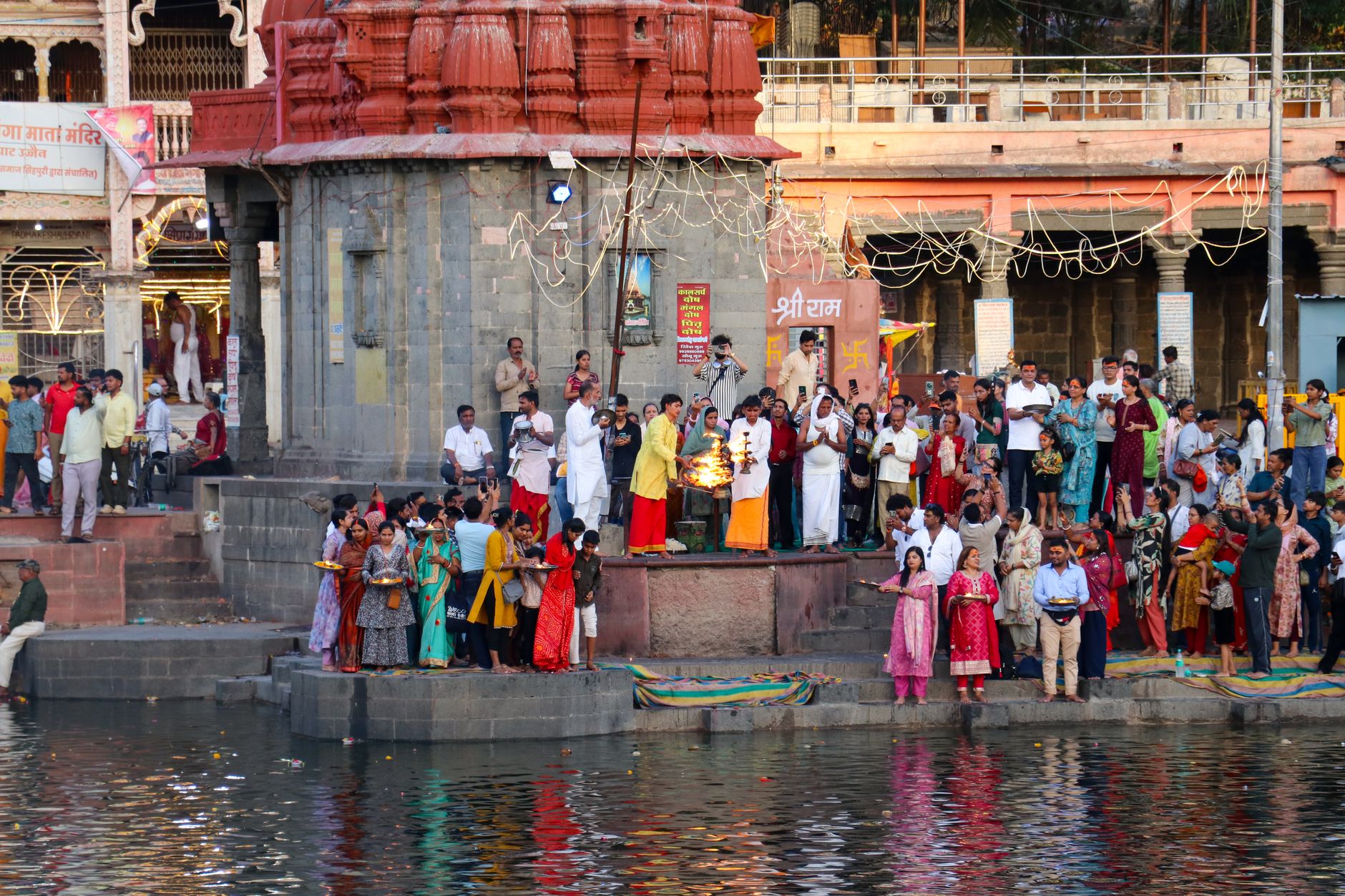
Ujjain is one of Hinduism's oldest and holiest cities, a place where the day genuinely begins at 4 AM with the sound of temple bells rather than traffic. At its centre sits the Mahakaleshwar Jyotirlinga, one of twelve such shrines in India, and the city's rhythm — the Shipra river ghats, the narrow lanes of the old town, the smell of incense and fried poha — is built entirely around pilgrimage rather than sightseeing in the usual sense. This is not a destination for travellers chasing boutique cafés or curated experiences; it's for those who want to witness living devotion at scale, see Vikram Samvat-era astronomy at the Vedh Shala, or simply understand why Ujjain has been a seat of kings, scholars, and sadhus for over two thousand years. If you come with that intent, a trip here can be genuinely moving. The one-line pitch: come for the Mahakaleshwar Bhasma Aarti and the ghats at dawn, and you'll leave with a sense of a city that hasn't dressed itself up for tourists — because it never needed to.
Getting There
Ujjain's own railway station, Ujjain Junction, is well connected to Delhi, Mumbai, Agra, Jaipur and most major North and Central Indian cities, and sits only about 3 km from Mahakaleshwar Temple, making the train the most convenient option for most travellers. The nearest airport is Devi Ahilyabai Holkar Airport in Indore, roughly 55 km away, with a drive of about 1 hour 15 minutes on a decent four-lane highway; it has regular flights from Delhi, Mumbai, Bengaluru and a handful of other metros. Road travel from Indore, Bhopal, or Mandu is straightforward and often combined into a single Madhya Pradesh pilgrimage-and-heritage circuit.
Mahakaleshwar Temple & the Bhasma Aarti
The Mahakaleshwar Temple is Ujjain's reason for being on the map, and the Jyotirlinga here is unique for facing south, with the famous Bhasma Aarti performed before dawn using sacred ash. This aarti is the single biggest draw for pilgrims and needs advance online booking through the temple's official portal (slots fill up fast, especially around weekends and festivals) — turning up without a pass usually means standing in a long general queue with no guarantee of entry that morning. Dress modestly, expect to remove shoes and phones/cameras may be restricted inside the sanctum, and budget at least 2-3 hours for the whole experience including security checks.
Ghats, Temples & the Old City
Ram Ghat on the Shipra river is where Ujjain's spiritual life spills out into the open — morning and evening aartis, boat rides, and pilgrims taking a dip, especially significant because this is one of the four sites of the Kumbh Mela (locally called Simhastha). Kal Bhairav Temple, a Tantric shrine where devotees traditionally offer liquor as prasad, and Harsiddhi Temple with its distinctive lamp tower (Deepmala) are both worth the short rickshaw ride from the main temple. For something completely different, the Vedh Shala (Jantar Mantar) built by Sawai Jai Singh II is a working astronomical observatory and a reminder that Ujjain was historically India's prime meridian — a quieter, more contemplative stop than the temples.
Food & Local Flavours
Ujjain's food scene is simple, vegetarian, and temple-town through and through — think poha-jalebi for breakfast, kachori and samosa stalls near the temple lanes, and sabudana khichdi during fasting seasons. Freshly offered prasad at Mahakaleshwar and nearby shrines is part of the experience, and the area around Tower Chowk and Patni Bazaar has reliable local eateries for thalis and street snacks. Don't expect fine dining or much by way of non-vegetarian food in the old city; for a wider spread, Indore (famous for its own street food culture) is close enough for a day trip.
Budget Guide
Ujjain is an inexpensive city to visit. Basic dharamshalas and pilgrim lodges near the temple start from around ₹500-800 a night, mid-range hotels run ₹1,500-3,000, and there are a few decent 3-star options for ₹3,000-5,000. Meals cost ₹100-300 at local eateries, auto-rickshaw rides within the city rarely exceed ₹100-150, and the Bhasma Aarti booking fee itself is modest (check current rates on the official site, as these are periodically revised). A comfortable two-day trip, including a hotel, food, and local transport, can be done well under ₹5,000 per person outside peak festival dates.
Getting Around
Ujjain's old city is compact and genuinely walkable once you're near Mahakaleshwar, but the heat (and crowds) often make auto-rickshaws and e-rickshaws the more practical choice between temples and the railway station. Shared autos ply fixed routes cheaply, while private autos need a bit of negotiation. If you're combining Ujjain with Indore or a day trip to Omkareshwar or Mandu, hiring a car with driver for the day is the easiest option and reasonably priced.
Practical Tips
Mornings at Mahakaleshwar are intensely crowded, especially during Shravan (monsoon month) and Mahashivratri, so arrive well before your booked slot and keep patience in reserve. Dress conservatively throughout the old city — this is a conservative pilgrim town, not a tourist resort — and women travelling solo generally report feeling safe in daylight hours around the main temple areas, though it's sensible to avoid wandering empty lanes late at night as in any smaller Indian city. During the Simhastha Kumbh Mela (held roughly every 12 years), Ujjain's population swells by millions; this is an extraordinary spectacle but genuinely not a comfortable trip unless you're prepared for serious crowd density and basic facilities.
Best time to visit
October to March is the best window, with cool mornings that make the pre-dawn temple visits far more bearable and pleasant weather for walking around the ghats and old city. April to June is extremely hot and best avoided for anything beyond a quick visit. The monsoon (July-September) brings lush green surroundings and the important Shravan month of devotion, but also heavy crowds at Mahakaleshwar and occasional ghat flooding — go then only if you specifically want the Shravan atmosphere. Check well in advance whether your visit coincides with Mahashivratri or a Simhastha Kumbh year, both of which multiply crowds dramatically.
Timings & entry fees
| Place | Open | Entry |
|---|---|---|
| Mahakaleshwar TempleBhasma Aarti requires separate advance online booking; fee and slots change periodically, so confirm current details | 4:00 AM - 11:00 PM | Free (general darshan) |
| Kal Bhairav TempleLiquor is traditionally offered as prasad here | 6:00 AM - 8:00 PM | Free |
| Harsiddhi TempleBest visited around evening aarti for the lit Deepmala tower | 5:00 AM - 9:00 PM | Free |
| Vedh Shala (Jantar Mantar)Quieter than the temples; good for a non-religious historical stop | 8:00 AM - 6:00 PM | Nominal entry fee (a few rupees) |
| Ram GhatEvening aarti timing varies seasonally; ask locally for the exact slot | Sunrise to sunset | Free |
| Chintaman Ganesh TempleOne of the oldest Ganesh shrines in the region, a short ride from the old city | 5:00 AM - 9:00 PM | Free |
Timings and fees change — confirm before you travel, especially on festival days and public holidays.
Distances & travel times
- Indore Airport (Devi Ahilyabai Holkar Airport) Ujjainabout 55 km· about 1 hr 15 min
- Ujjain Junction Railway Station Mahakaleshwar Templeabout 3 km· about 10-15 min
- Mahakaleshwar Temple Ram Ghatabout 2 km· about 10 min
- Ujjain Indore city centreabout 55 km· about 1.5 hr
- Ujjain Omkareshwarabout 140 km· about 3 hr
- Ujjain Manduabout 150 km· about 3.5 hr
- Ujjain Bhopalabout 185 km· about 4 hr
Frequently asked
- Is Ujjain worth visiting?
- Yes, if you're drawn to pilgrimage, temple architecture, or want to witness the Bhasma Aarti — it's a genuinely powerful experience and one of India's most important Shaiva sites. Skip it if you're after resorts, nightlife, or a relaxed leisure trip; Ujjain is built around devotion and early mornings, not comfort.
- Is Ujjain safe?
- Overall yes, and it's a common destination for families and solo pilgrims of all ages. Crowds during the Bhasma Aarti and major festivals can get intense and a little chaotic, so keep valuables secure and stick with a group if possible; like most smaller Indian towns, it's best to avoid wandering unfamiliar lanes alone late at night.
- What is the worst time to visit Ujjain?
- April to June is brutally hot, often crossing 42°C, and makes the pre-dawn temple queues genuinely punishing. The Simhastha Kumbh Mela years bring extraordinary overcrowding unless that's specifically what you're seeking, and the peak of the monsoon (July-August) can flood the Shipra ghats and disrupt the usual ghat routines.
- When is Ujjain least crowded?
- Weekdays outside Shravan month (roughly July-August) and away from Mahashivratri and major Hindu festival dates are noticeably quieter, with shorter Bhasma Aarti queues. October to February on non-festival weekdays is the sweet spot for a calmer, cooler visit.
- How many days do you need in Ujjain?
- One full day covers Mahakaleshwar, Ram Ghat, and one or two other temples comfortably; two days lets you add the Vedh Shala, a leisurely bazaar walk, and some breathing room around the Bhasma Aarti booking. Most travellers combine it with Indore (an hour away) or extend into a longer Madhya Pradesh circuit with Omkareshwar and Mandu.
- Is the Bhasma Aarti worth booking in advance?
- Yes — it's the single most distinctive experience Ujjain offers, and walking in without a pre-booked online pass usually means missing it or settling for a distant, crowded view. Book as early as the portal allows, especially for weekends, Mondays (considered auspicious for Shiva), or any festival period.
- How does Ujjain compare to Omkareshwar?
- Ujjain is a bustling temple city with an urban, intense pilgrimage energy centred on one major Jyotirlinga; Omkareshwar is a smaller, more tranquil river-island temple town with a slower pace and scenic Narmada setting. Pick Ujjain for the Mahakaleshwar experience and old-city atmosphere, and Omkareshwar if you want a quieter, more nature-adjacent pilgrimage stop — many travellers do both back to back.